
By Dailysunr – Policy Insight, Ethical Reform, and Public Interest Commentary desks
(Available for syndication)
A Shift in the Clinical Compass
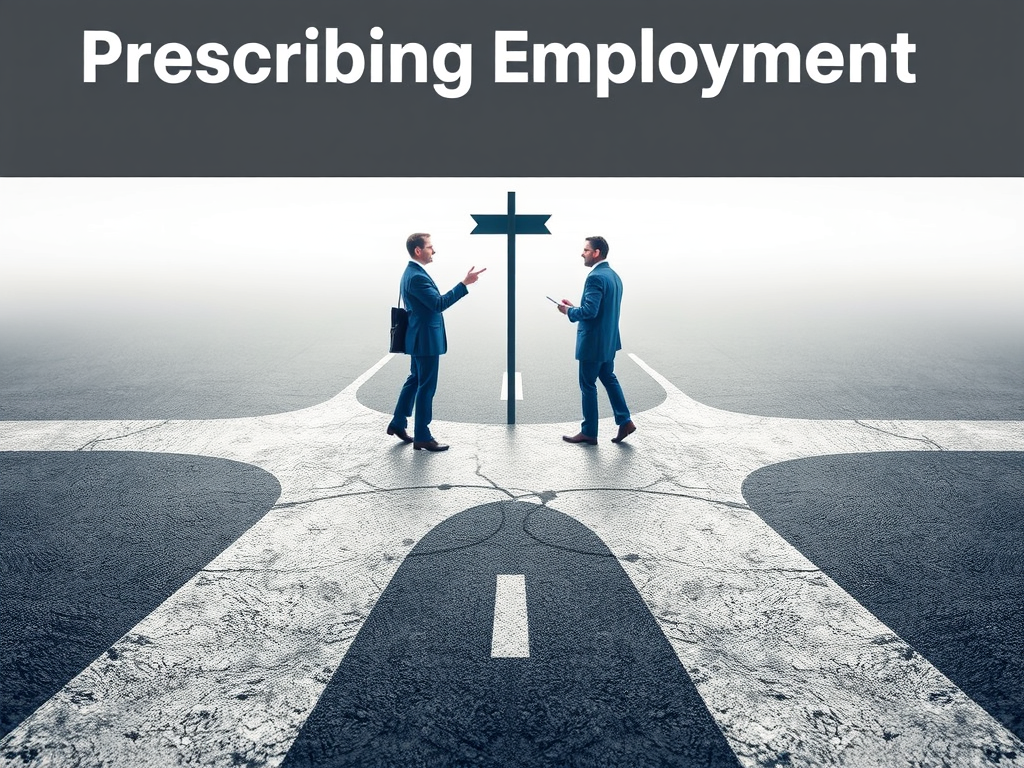
The UK government has taken a bold step to tackle rising economic inactivity. They have issued new guidance. This guidance encourages allied health professionals, like physiotherapists and therapists, to discuss employment during clinical assessments. The policy, supported by Health Secretary Wes Streeting, frames work as “just as vital” to health as diet and exercise. But this re-framing of employment as a clinical intervention raises profound questions about professional boundaries. It also prompts discussions on patient autonomy and the role of the NHS in welfare reform.
The Proposal: Employment as a Therapeutic Prescription
According to the guidance, clinicians are encouraged to:
- Ask patients what job they do and how it affects their health
- Explore what kind of work unemployed patients would like to do
- Discuss barriers to employment and how to overcome them
- Reference statistics linking long-term sickness benefits to poorer health outcomes
This approach is part of a broader strategy. It aims to reduce the £100 billion annual sickness and disability benefits bill. This is outlined in the Pathways to Work: Reforming Benefits and Support to Get Britain Working Green Paper.
Legal and Ethical Considerations
Medical Confidentiality and Consent
Healthcare professionals have responsibilities under the Common Law Duty of Confidentiality. They must also adhere to the Data Protection Act 2018. It is crucial they ensure any discussion of employment is conducted properly. This is especially important when linked to benefit status. Explicit, informed consent must be obtained. The British Medical Association (BMA) reiterates that confidentiality is foundational to clinical trust. It must not be compromised by external policy pressures.
Role Integrity and Clinical Boundaries
The General Medical Council (GMC) and NHS England have long upheld that clinicians must act within their scope of practice. Social determinants of health, including employment, are relevant to wellbeing. However, prescribing work risks conflating clinical care with economic policy enforcement. This approach potentially undermines therapeutic neutrality.
Statutory Frameworks
The Health Service (Control of Patient Information) Regulations 2002, enacted under Section 251 of the NHS Act 2006, permits the use of confidential patient information without consent only under strict conditions, such as public health emergencies or approved research. Using clinical consultations to influence benefit eligibility or employment pathways may not meet these thresholds.
Mental Health and Work: A Complex Relationship

There is no doubt that meaningful employment can support mental health recovery. However, the inverse, that unemployment is inherently pathological, is a dangerous oversimplification. The NHS Confederation’s 2025 mental health investment priorities emphasise early intervention, community-based support, and culturally competent care, not employment as a default remedy.
Job Centres, Not Clinics
If the government seeks to reduce economic inactivity, the appropriate levers lie in:
- Expanding job centre capacity and vocational rehabilitation
- Investing in supported employment schemes for people with chronic illness
- Ensuring reasonable adjustments under the Equality Act 2010 are enforced in workplaces
Healthcare professionals are not trained to assess job readiness, they are not in possession of job descriptions and practical insights of posts, nor should they be positioned as gatekeepers to benefits or employment pathways.
Medical opinion plays a vital role in legal and clinical contexts—such as personal injury claims, tribunal hearings, and fitness-to-work assessments—where it helps establish the impact of illness and supports fair decision-making. However, it is not designed to assess job readiness or match individuals to employment roles. Healthcare professionals do not possess job descriptions, labour market insights, or the training required to evaluate workplace suitability. Using clinical consultations to steer patients toward employment risks breaching ethical boundaries, undermining trust, and misapplying medical authority for non-clinical purposes.
A Call for Clarity and Safeguards
To preserve trust in the NHS and uphold ethical standards, any integration of employment discussions into clinical care must:
- Be voluntary, consensual, and patient-led
- Include clear boundaries between clinical advice and benefit compliance
- Be subject to independent ethical oversight
- Avoid any data sharing without lawful basis and patient consent
A Strategic Pause, Not a Policy Shortcut

To conclude, the government’s ambition to reduce benefit dependency is understandable. But the method, embedding employment prescriptions into clinical care, requires urgent scrutiny. Without robust safeguards, this policy risks eroding the very trust that makes the NHS a cornerstone of British society.
As we navigate this policy crossroads, we must ask: are we empowering patients, or instrumentalising them?
References
- NHS Confederation: Investment Priorities for Mental Health 2025
- NHS England: 2025/26 Priorities and Operational Planning Guidance
- DWP: Changes to Sick Pay and Employment Support
- BMA Confidentiality Toolkit (Updated Feb 2025)
- UKHSA: Confidential Patient Information Standards
- NHS Digital: Protecting Patient Data
- MSN: Labour’s Plan to Prescribe Jobs for Depression
- CPAG: Welfare Reform and Disability Benefits
Dailysunr is a strategic commentary blog and independent public-interest platform that operates with the editorial rigour of a newspaper and the ethical depth of a policy journal. Dedicated to ethical reform, public interest journalism, and policy insight, Dailysunr explores the intersections of law, governance, and life ethics, covering topics ranging from healthcare systems and employment policy to data privacy, tribunal procedure, and the everyday ethics of life and living. Grounded in legal analysis, editorial publishing, and strategic insight, Dailysunr offers dignified, procedurally sound perspectives that empower institutions, professionals, and citizens to act with clarity, compliance, and compassion
Checkout books on social work law, ethics and social policy #AmazonAfiliates #ads
Discover more from Daily Sunrise
Subscribe to get the latest posts sent to your email.

 Daily Sunrise
Thank you for reading. At Dailysunr, we believe ethical clarity and procedural integrity must guide every public policy, especially when it touches healthcare. Do you think employment belongs in the clinical conversation? Let’s discuss below.
LikeLiked by 1 person