
By Daily Sunr – Food and Drink Corner -Courtesy of Dee’s Kitchen









A small portion, neatly shaped, served with a drizzle of sauce. It looks unfamiliar—but the taste still sings of home. 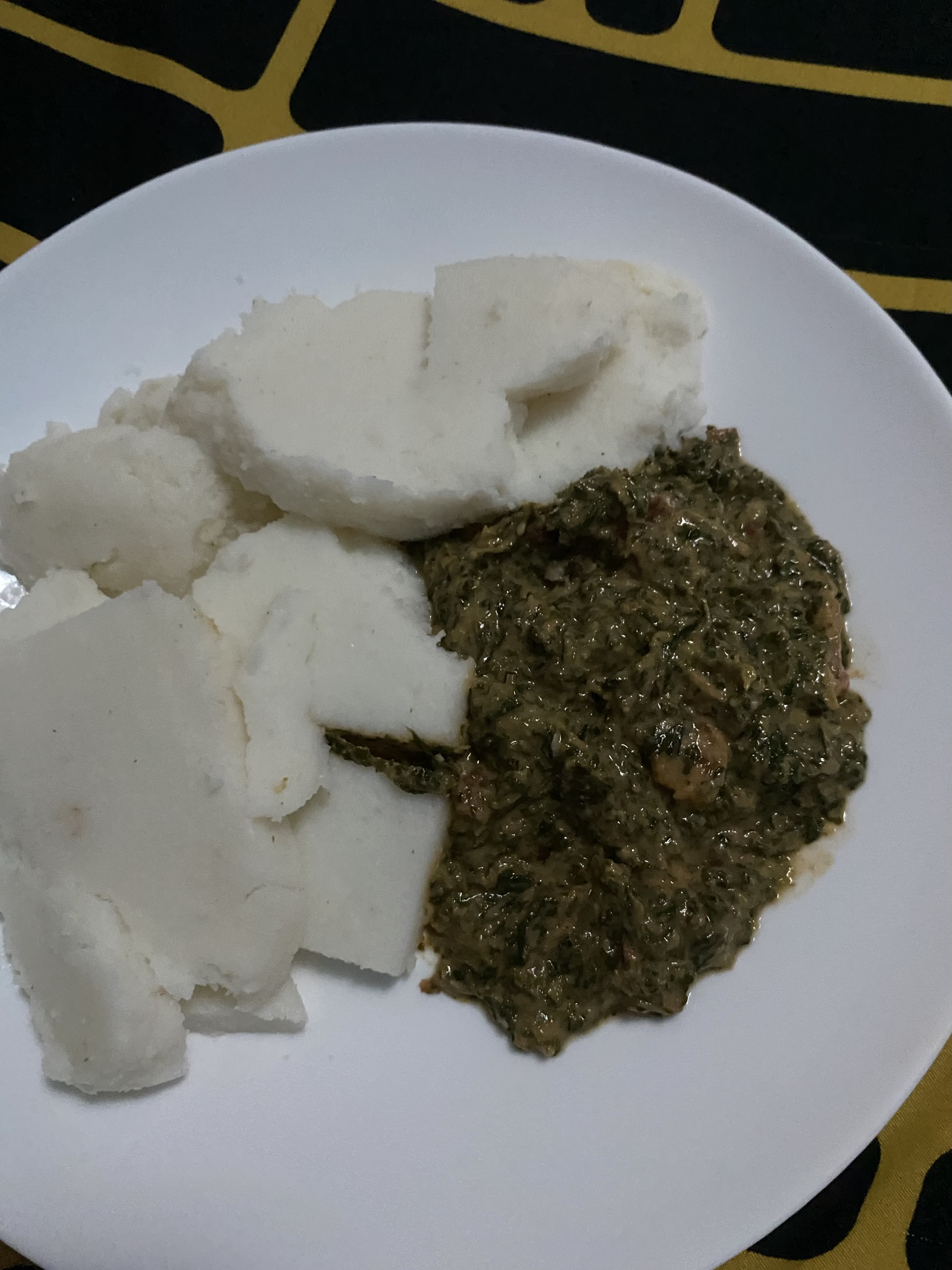

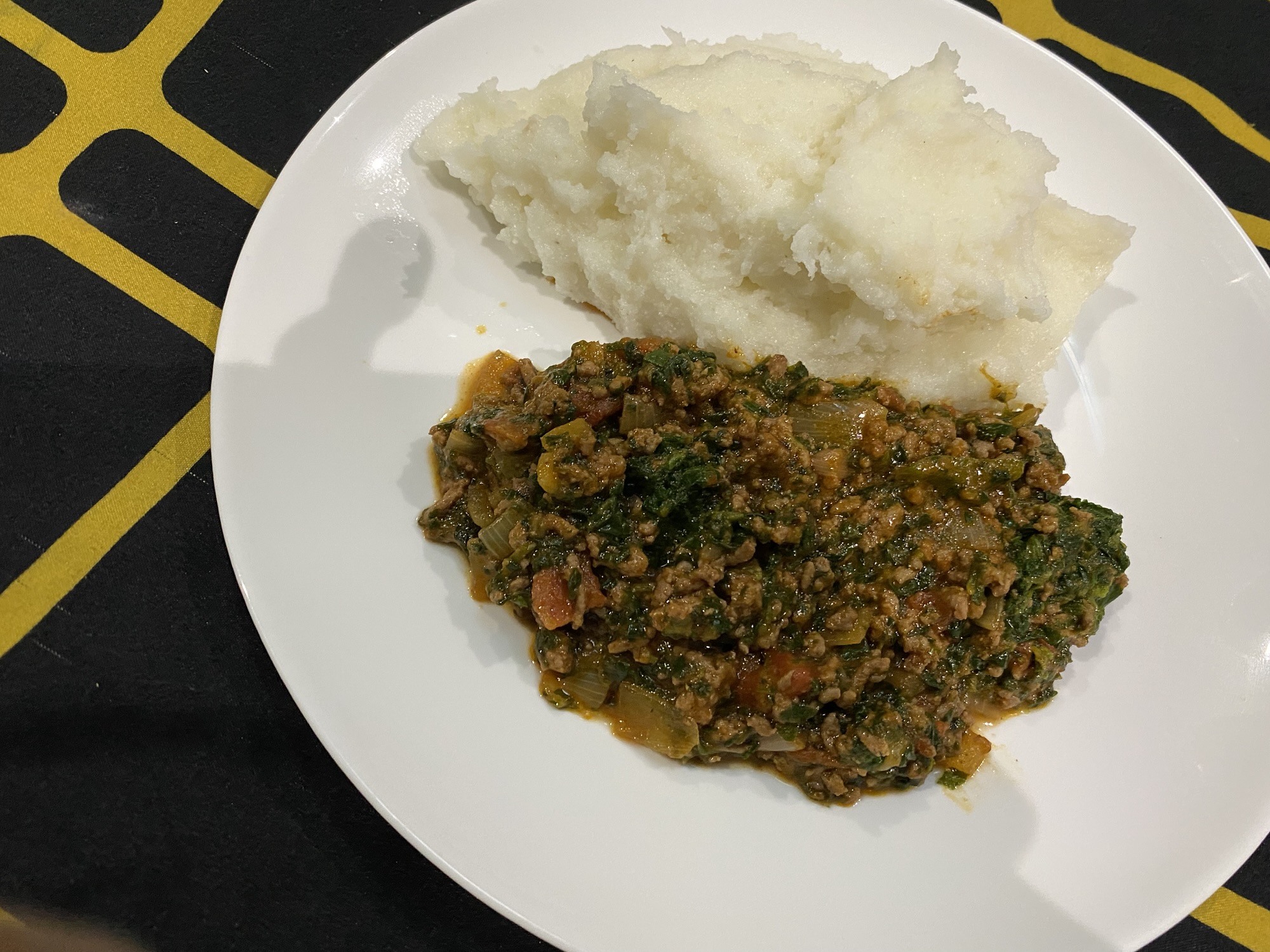

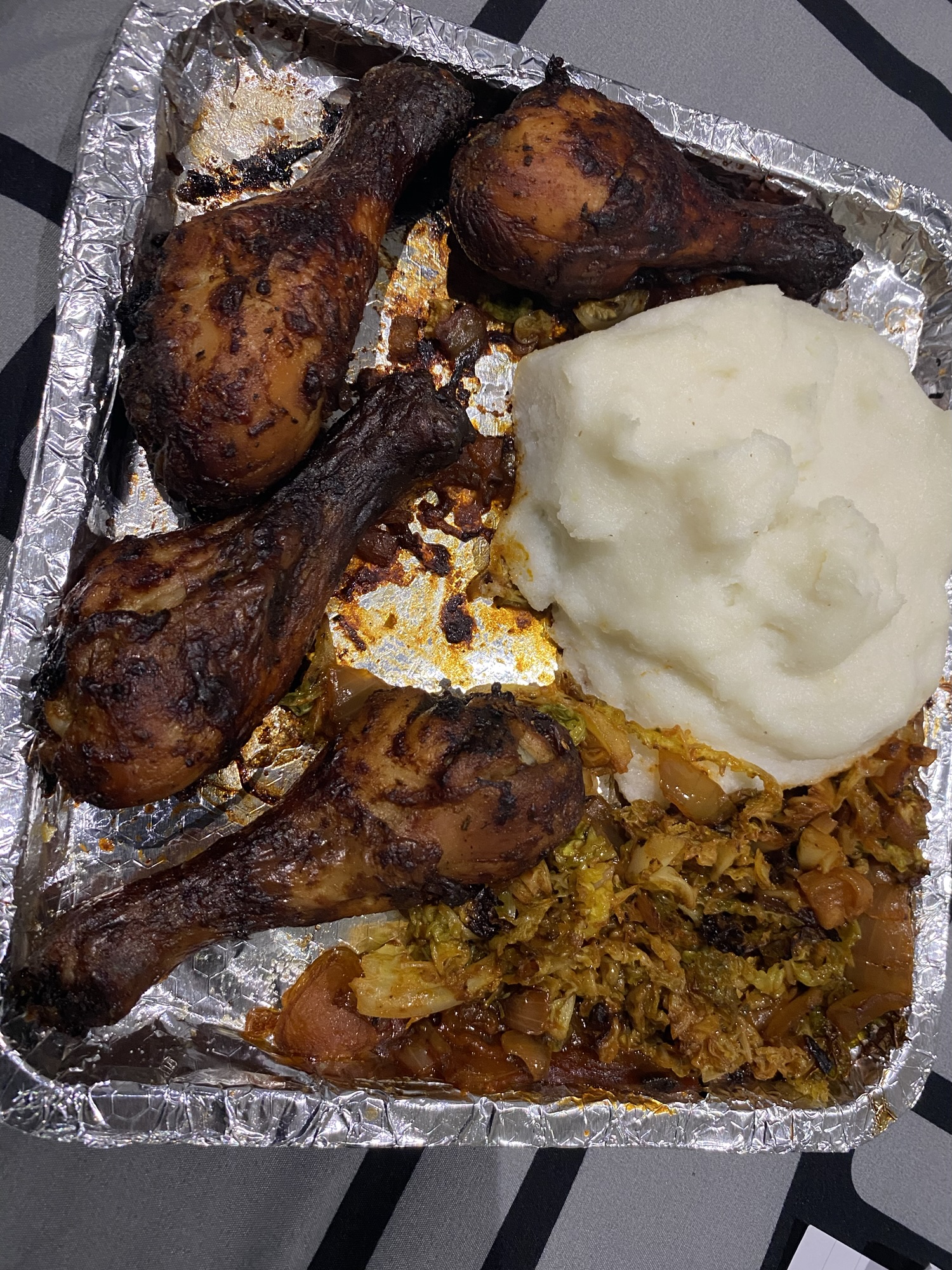
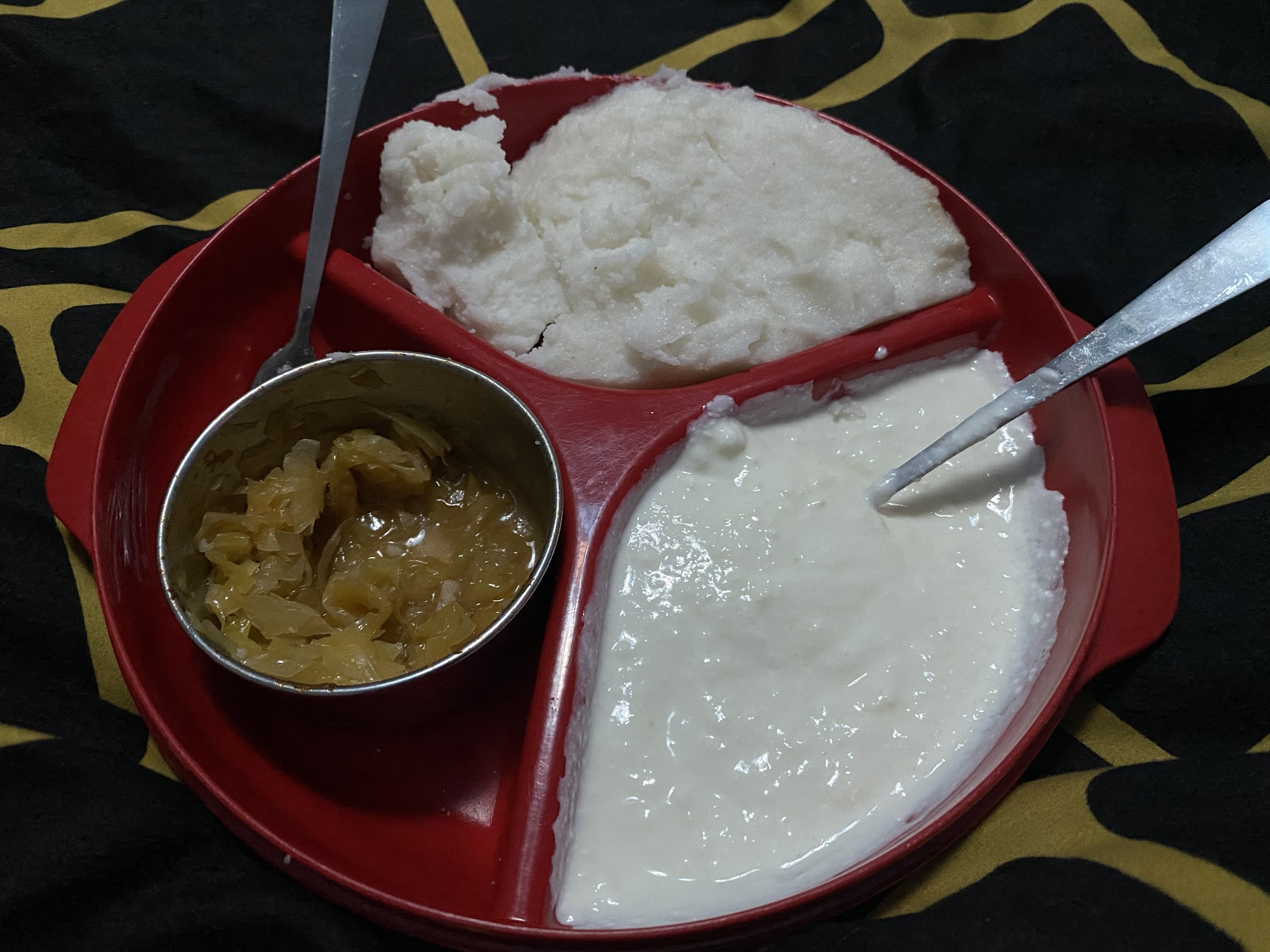
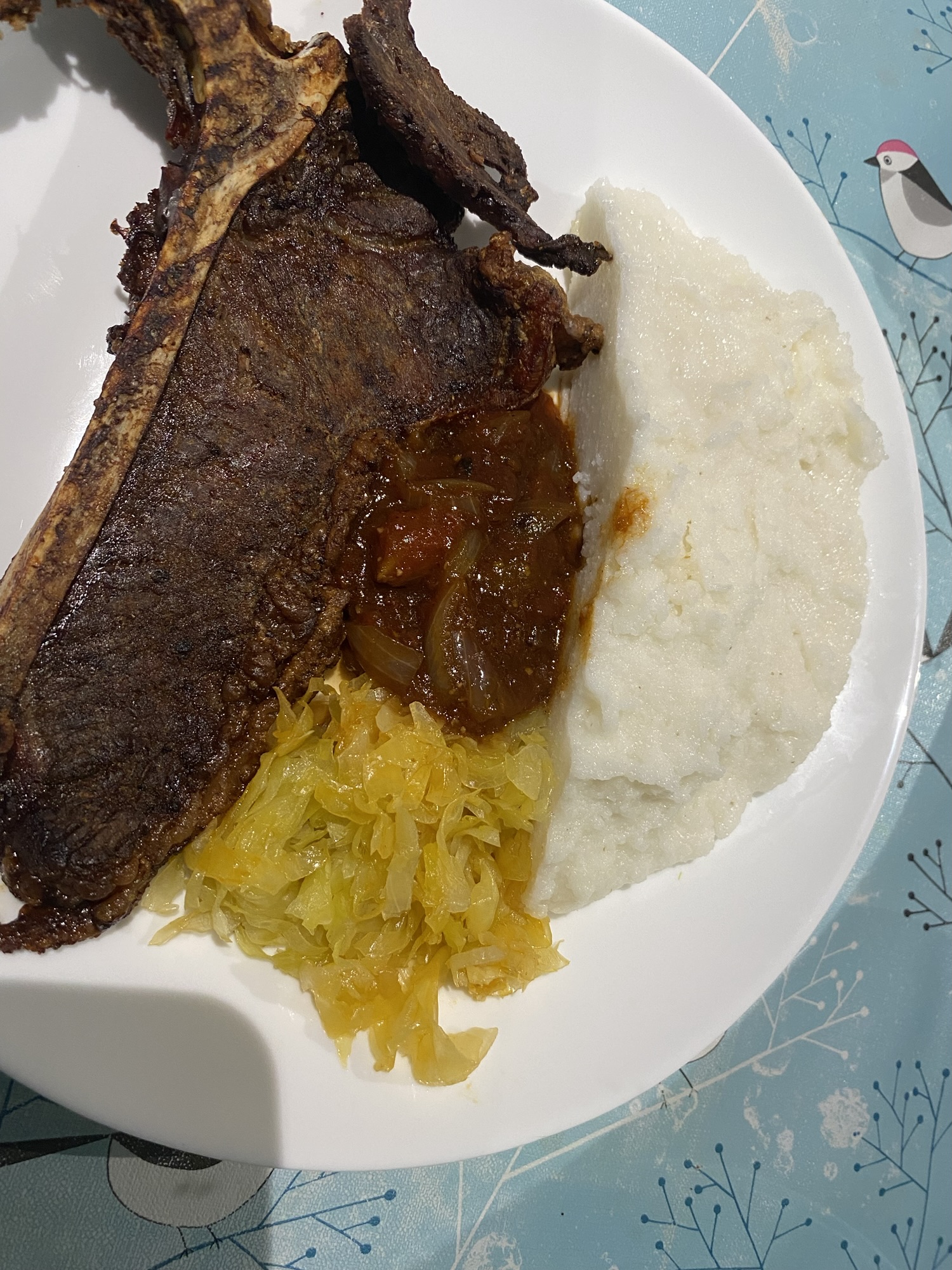
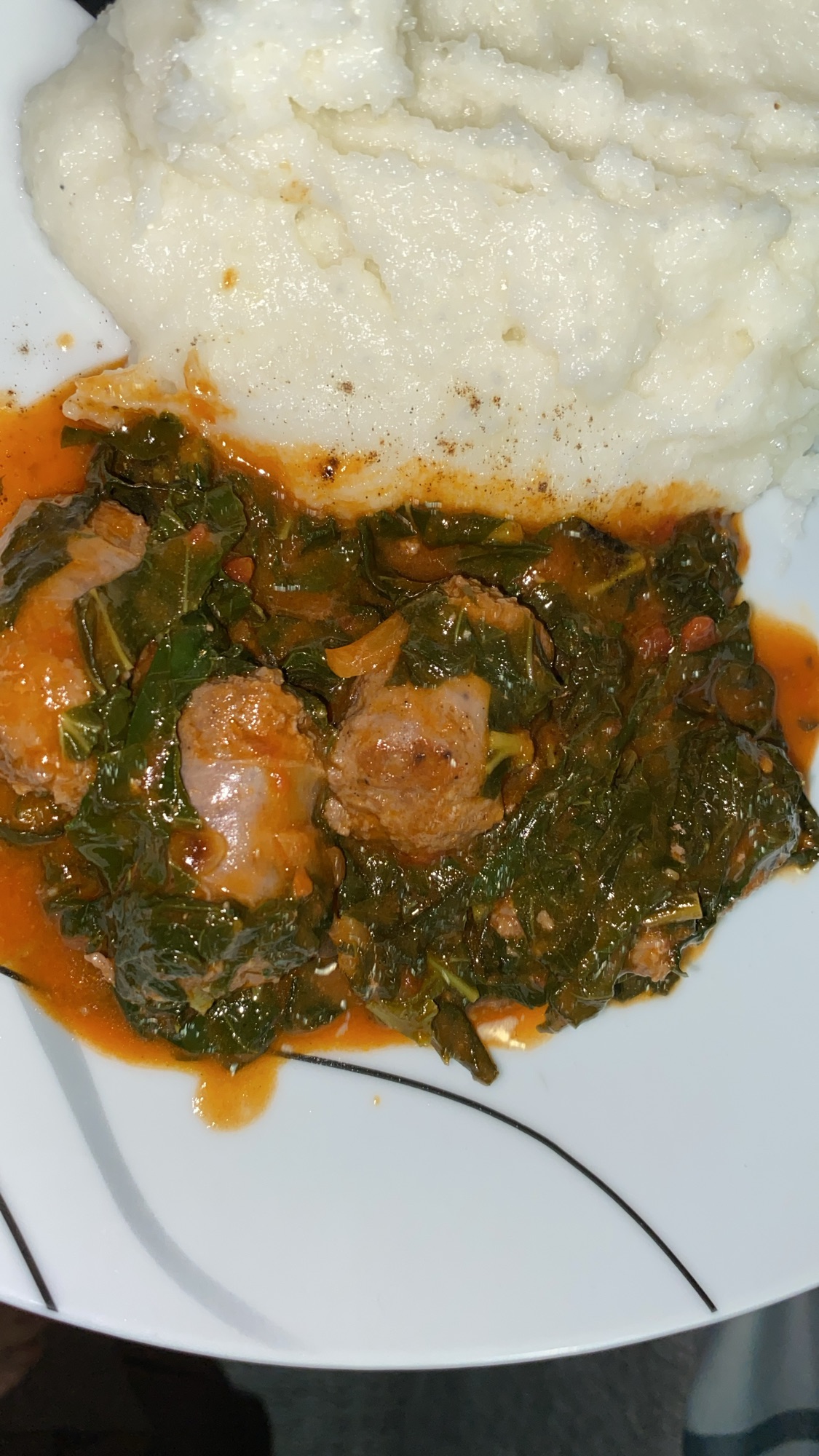
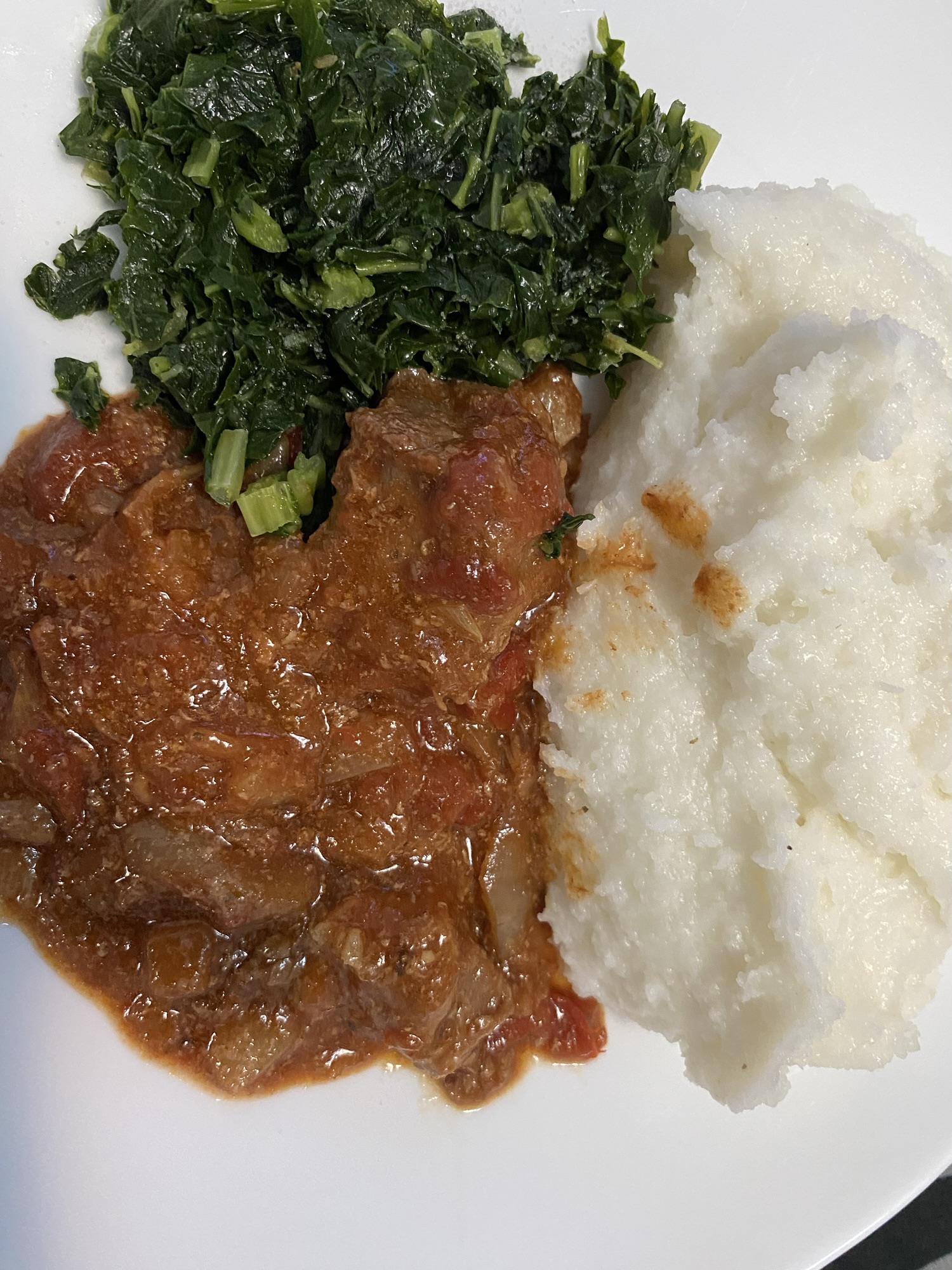
Sadza ne Nyama Yakagochwa The grilled meat glistens beside the firm mound of sadza. Smoke and salt. A plate that speaks of celebration and fire 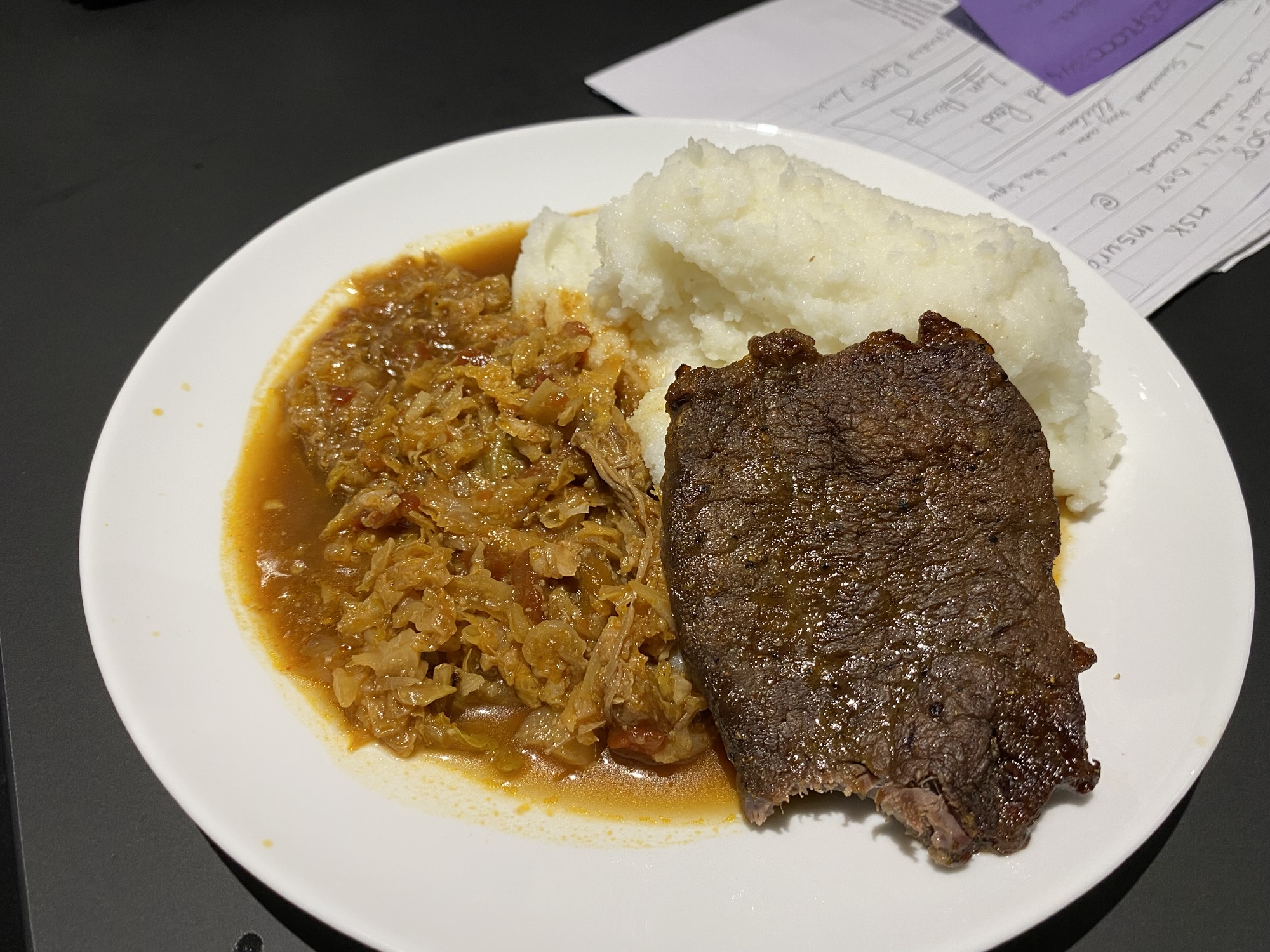
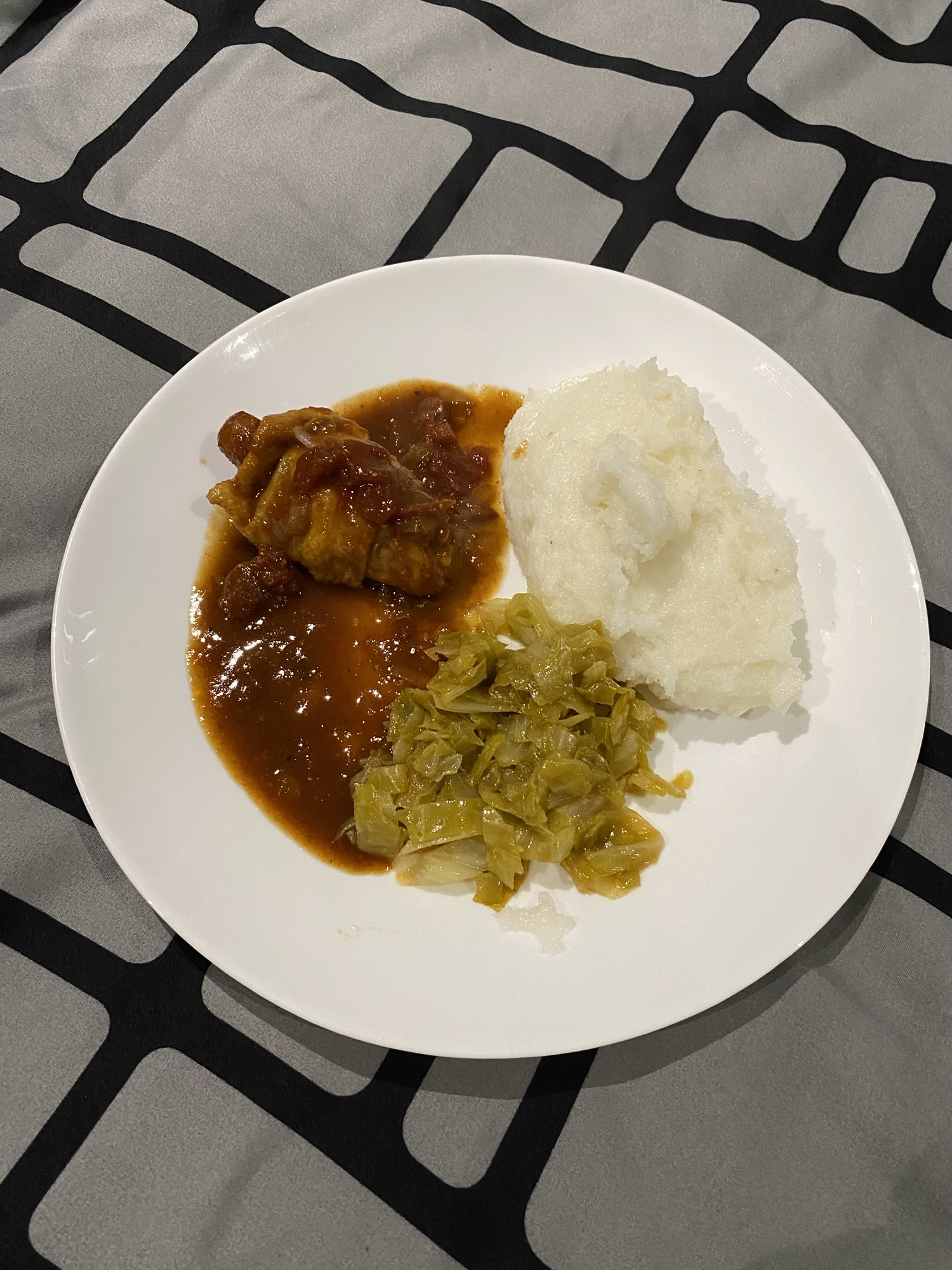

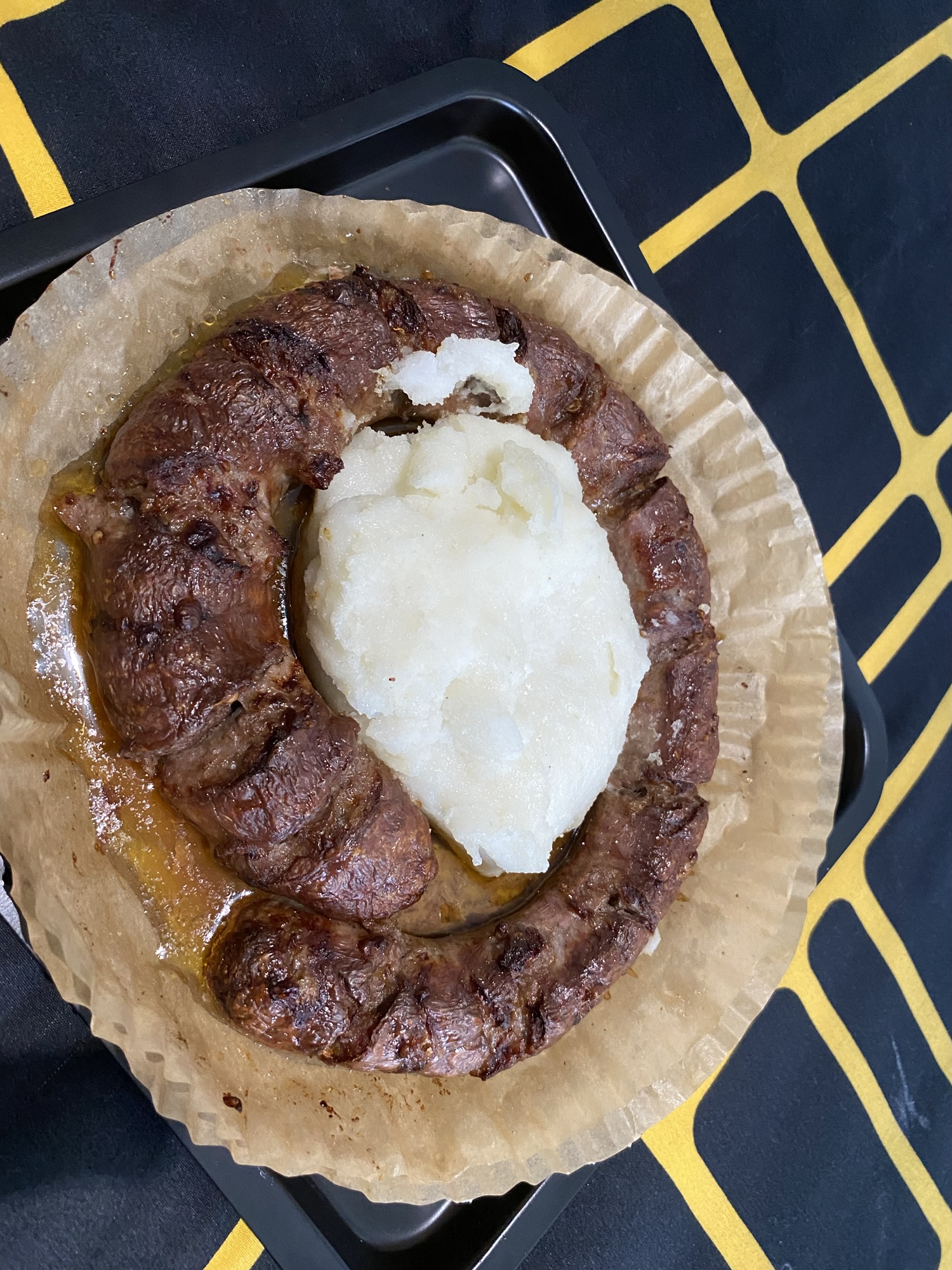
Sadza ne Nyama Yakagochwa The grilled meat glistens beside the firm mound of sadza. Smoke and salt. A plate that speaks of celebration and fire 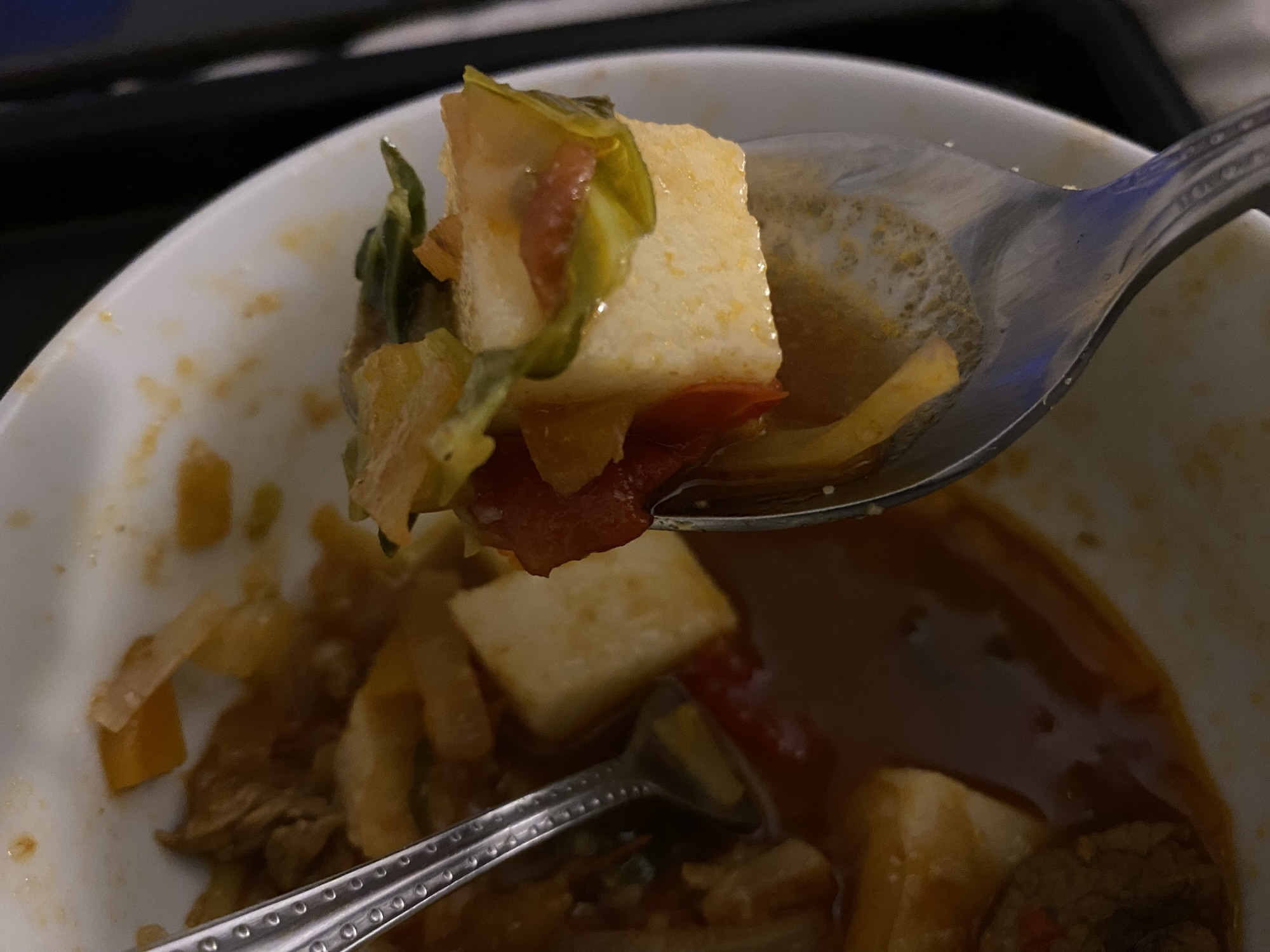
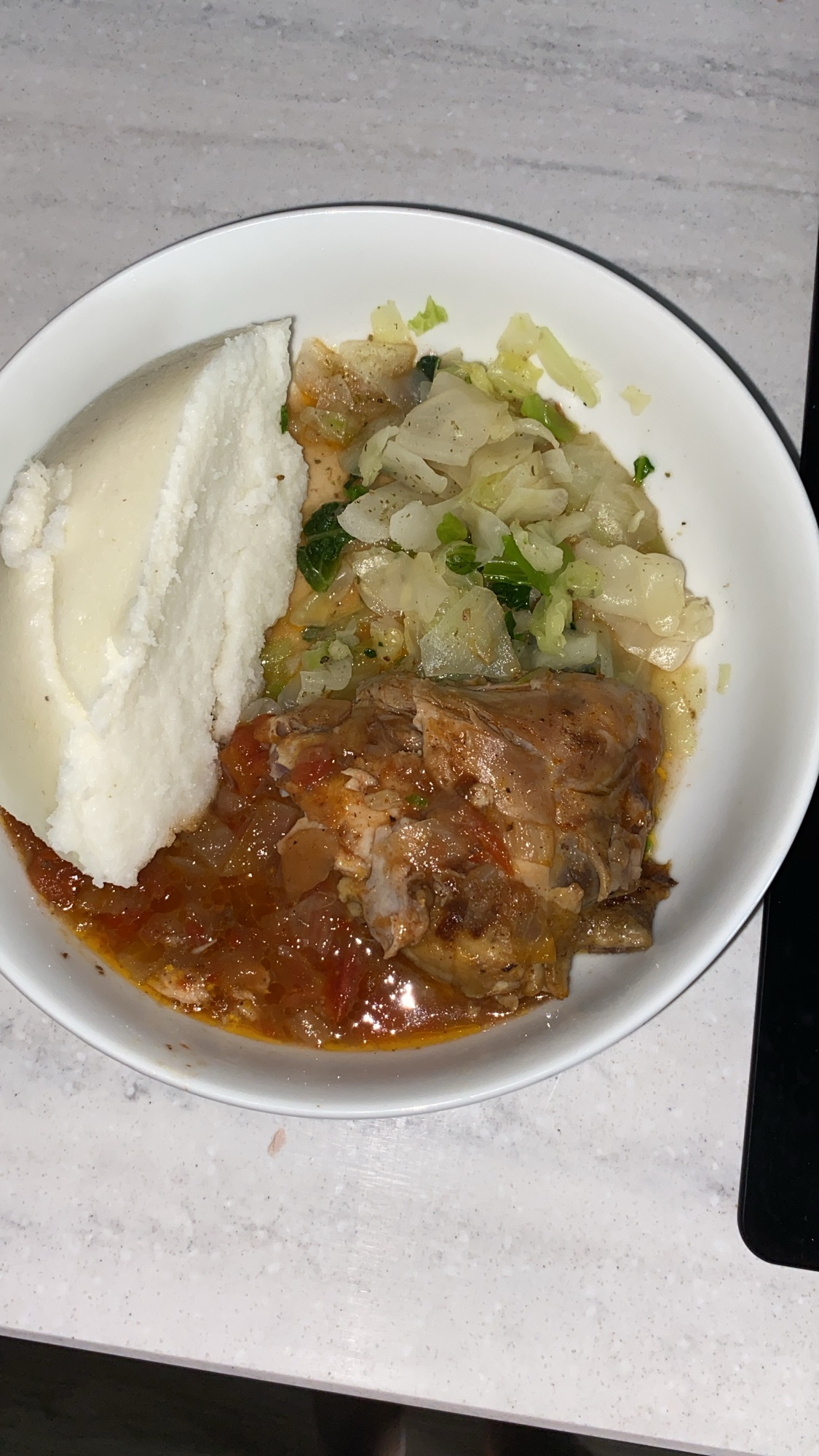
A small portion, neatly shaped, served with a drizzle of sauce. It looks unfamiliar—but the taste still sings of home. 
A small portion, neatly shaped, served with a drizzle of sauce. It looks unfamiliar—but the taste still sings of home. 
Modern serving portions 
A small portion, neatly shaped, served with a drizzle of sauce. It looks unfamiliar—but the taste still sings of home. 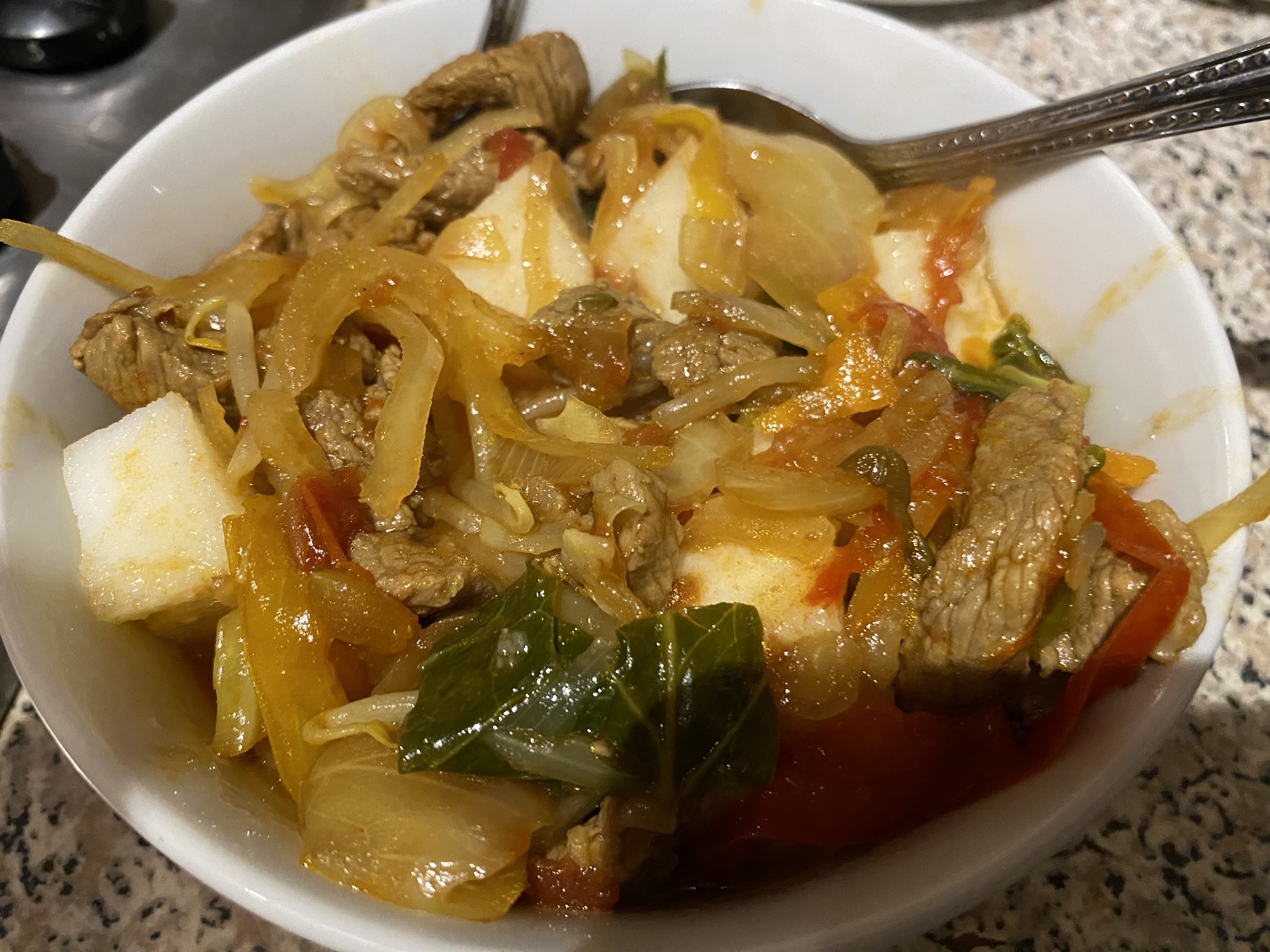

A small portion, neatly shaped, served with a drizzle of sauce. It looks unfamiliar—but the taste still sings of home. 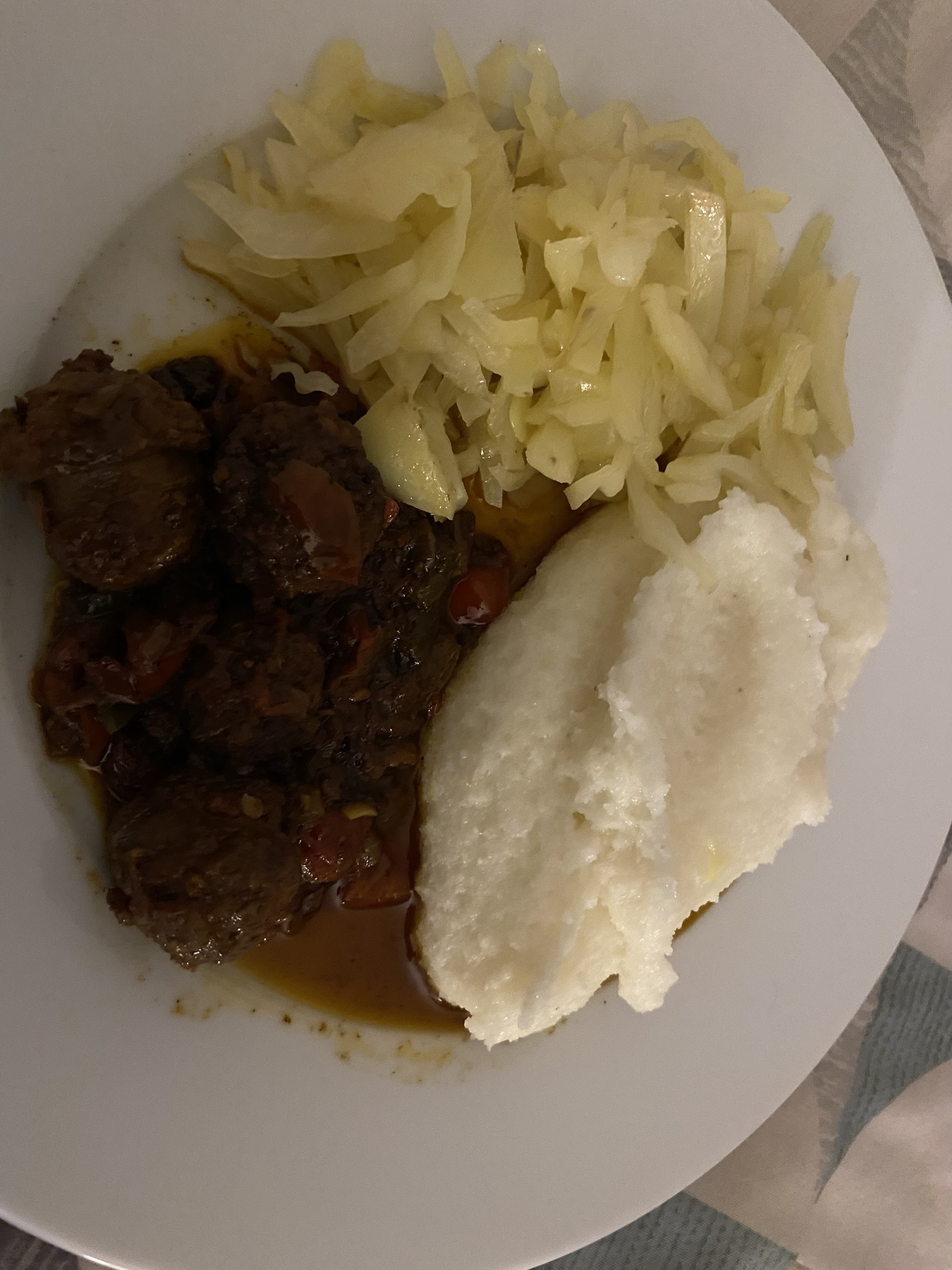
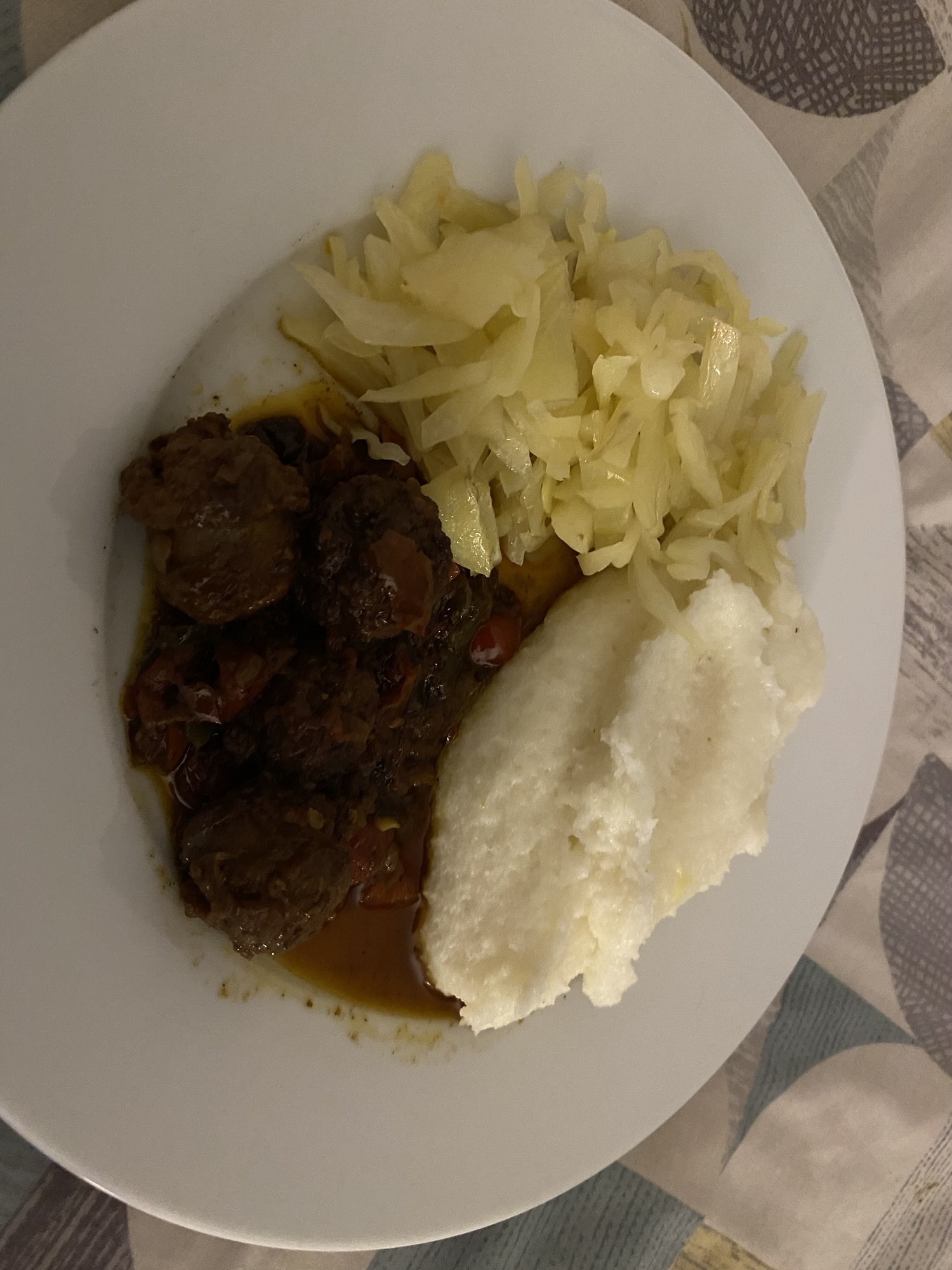
Beautiful. Let’s build this into a full blog post with your photos and reflections woven in. I’ll structure it like a living tapestry—part cultural tribute, part personal meditation, part invitation to taste and remember.
There are meals that feed more than the body. Meals that carry memory, ritual, and the quiet strength of a people. Sadza is one of them.
Made from finely ground maize meal or finger millet, sadza is the heartbeat of many Southern African homes. It’s not flashy. It doesn’t beg for attention. But it holds its own—firm, warm, and grounding—on every plate it graces.
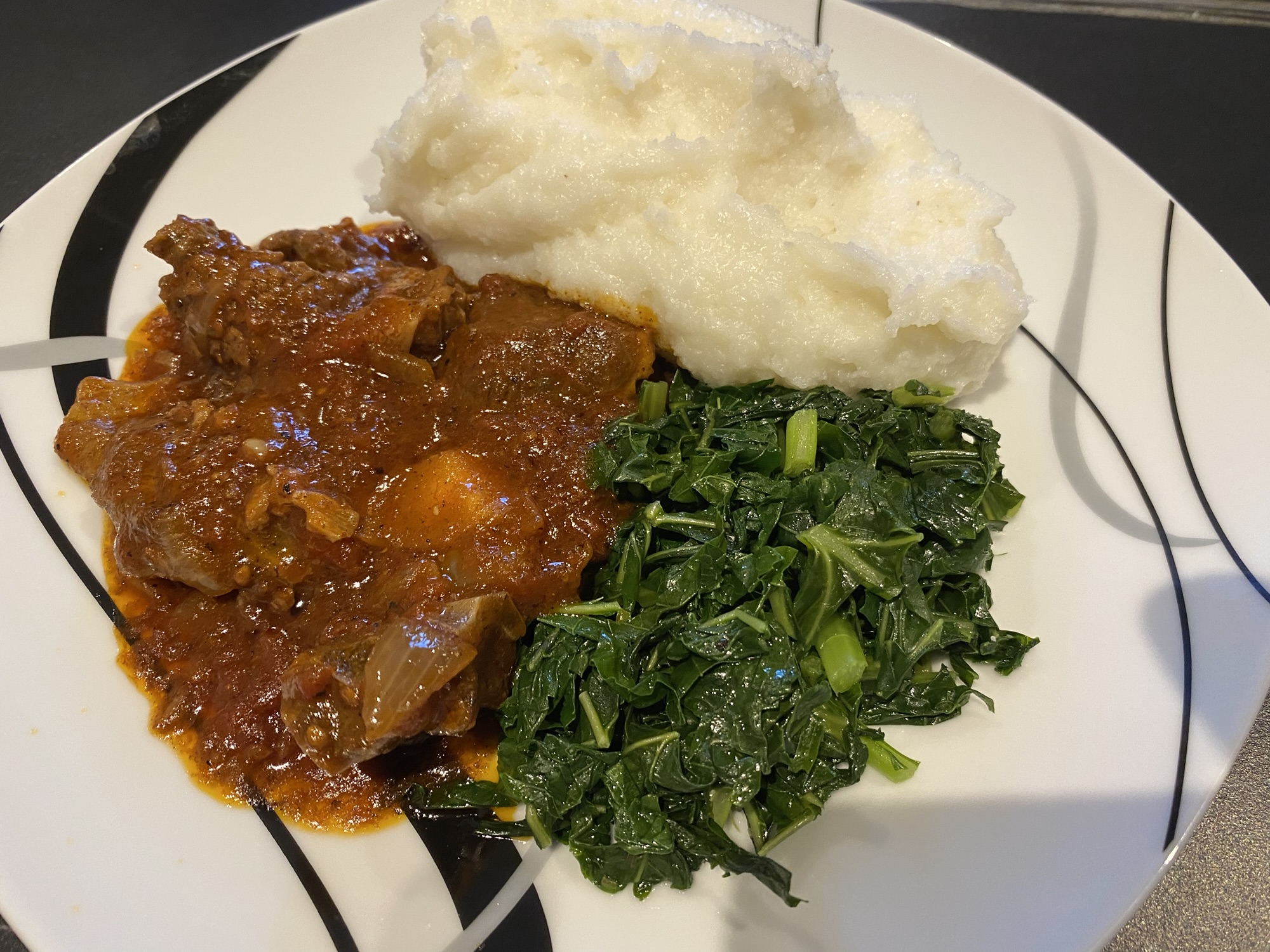
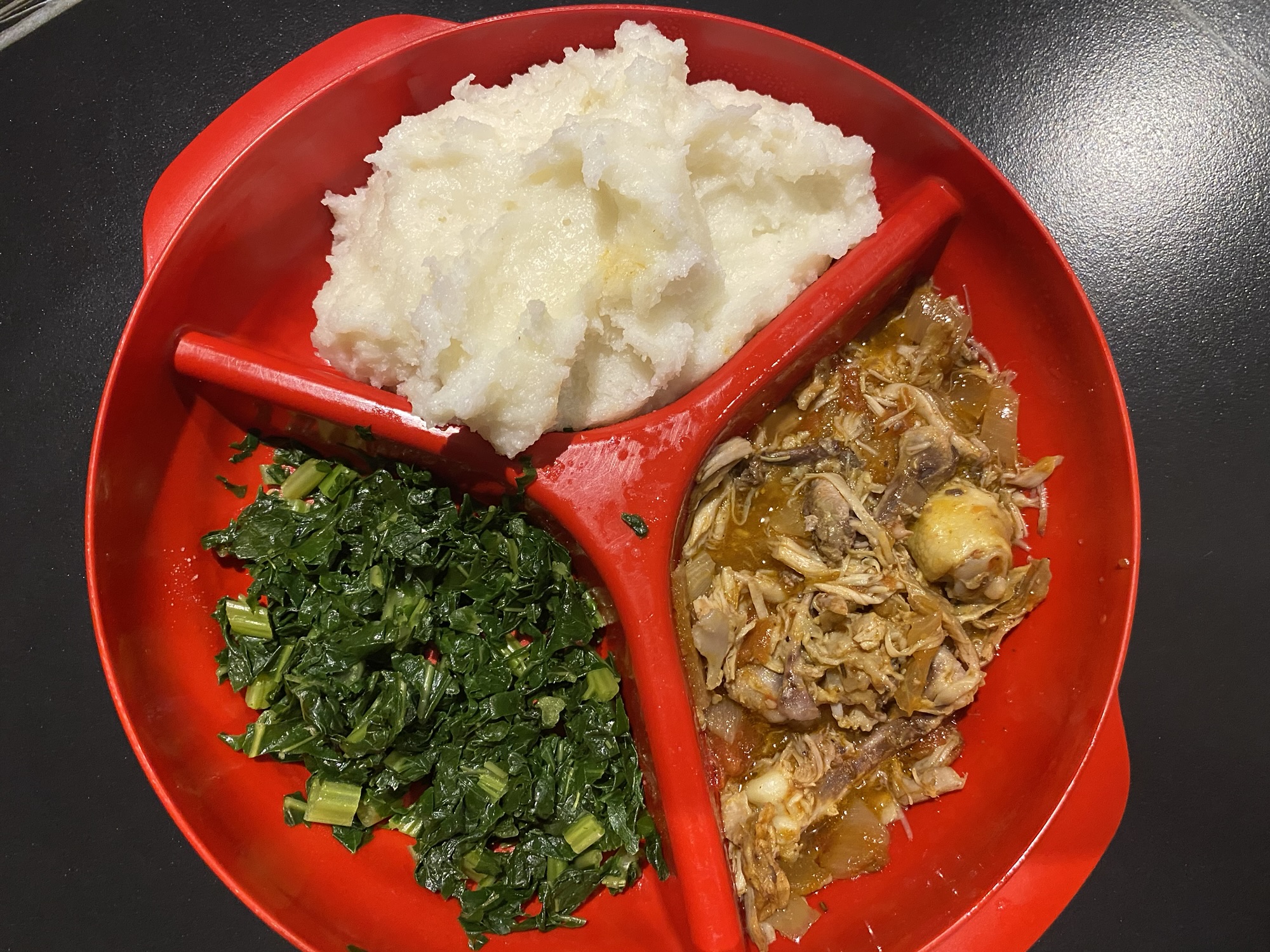
From weekday dinners to sacred ceremonies, sadza is always present. It pairs effortlessly with beef stew, roasted meats, pumpkin leaves, or the beloved derere. For some, it’s a nostalgic bite of mazondo or mufushwa. For others, it’s the bold crunch of madora, ishwa, or even mbeva—each dish a story, each pairing a portal into heritage.
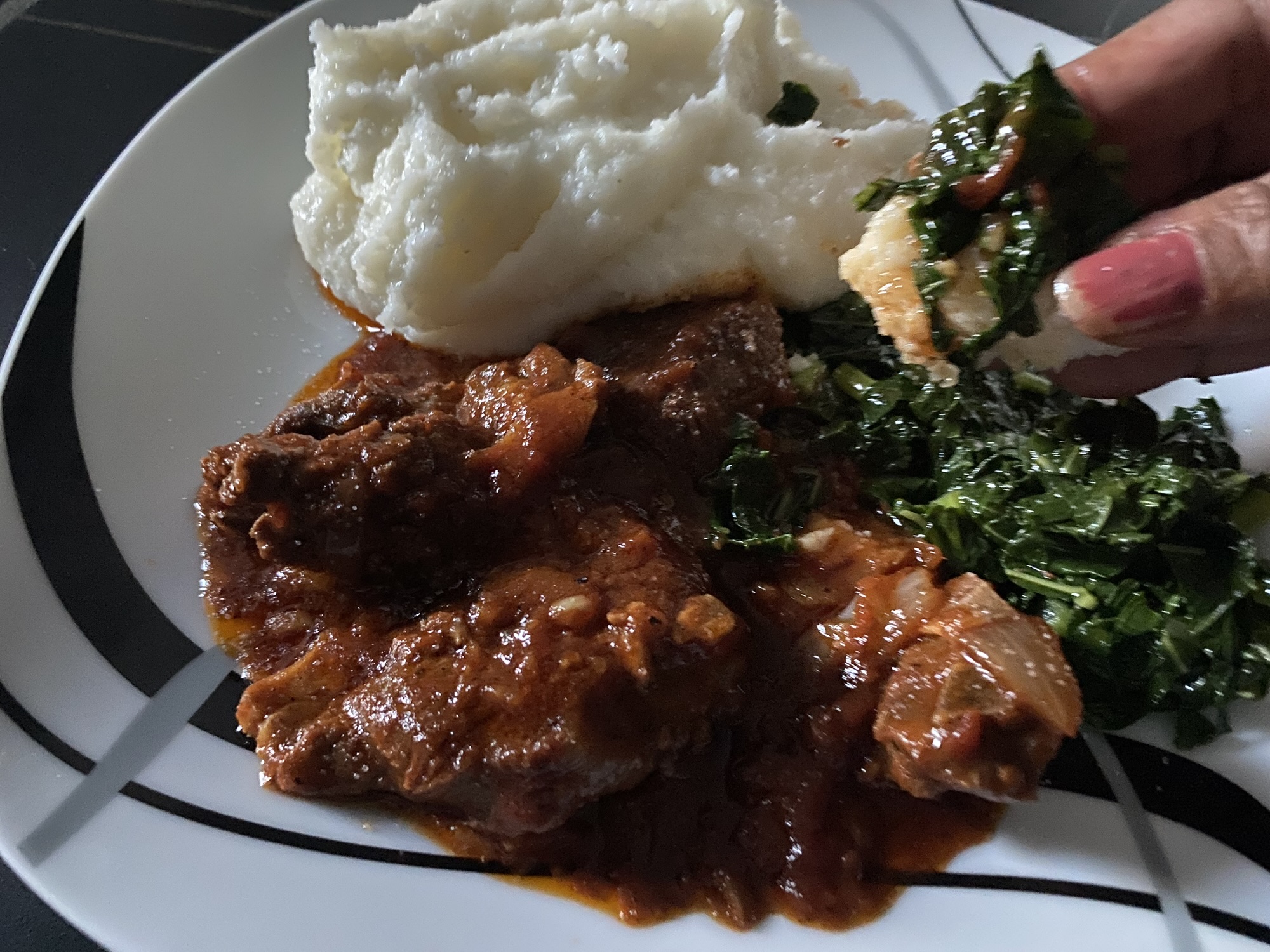
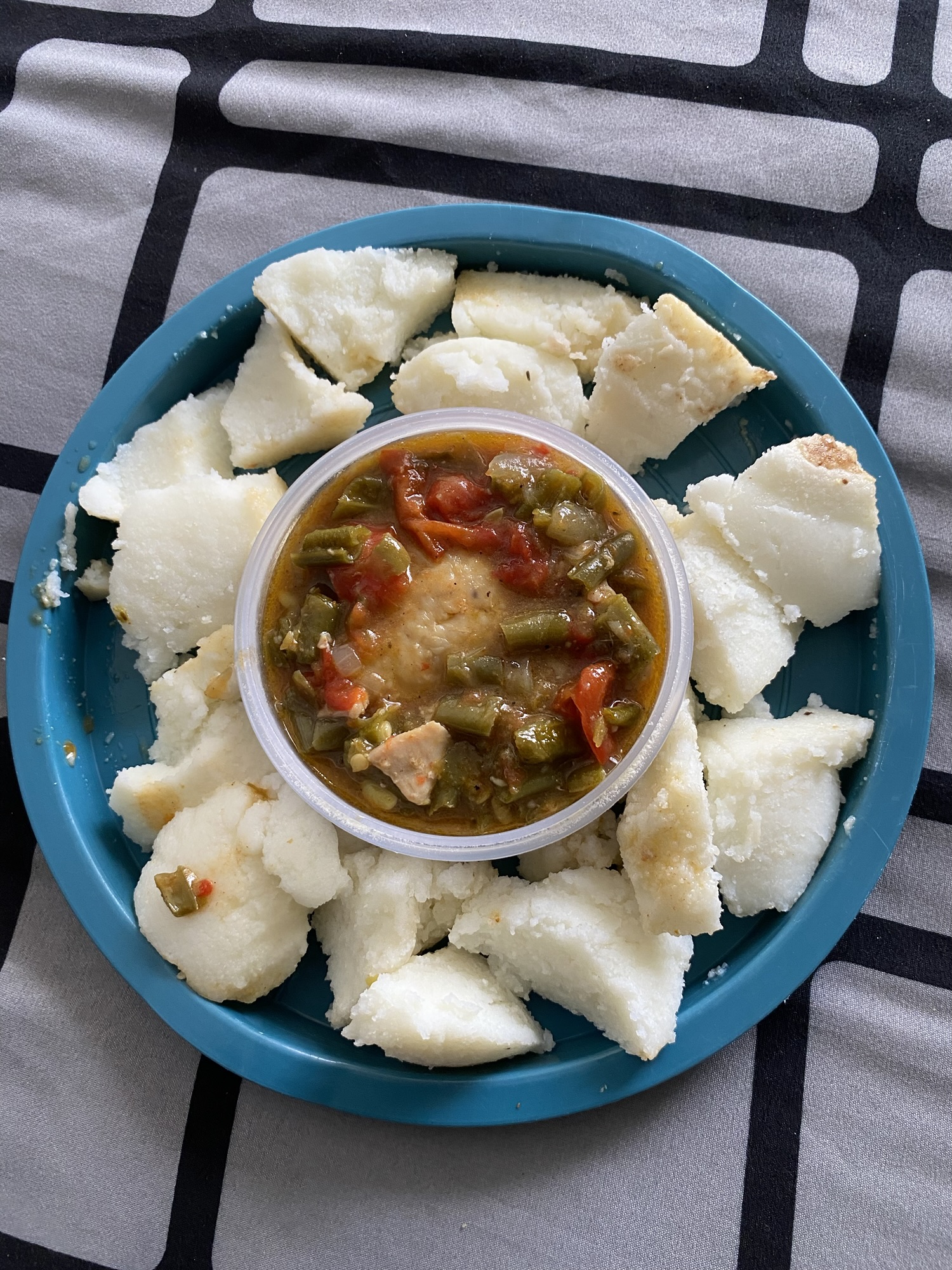
Modern hotels may serve it in delicate portions, plated with flair for curious first-timers. But in its truest form, sadza is generous. It’s molded by hand, dipped into gravy, and eaten without pretense. You wash your hands, shape your portion, and tuck it into your mouth with quiet satisfaction. No cutlery. No ceremony. Just instinct and intimacy.
Sadza doesn’t ask you to perform—it invites you to remember. Even if you’ve wandered far, tried other cuisines, or traded tradition for convenience, sadza waits. And when you return, even if just once in a blue moon, it welcomes you like an old friend. Its echoes are soft but persistent: this is home.
You eat it like no one’s watching. And if they are, they’ll want to taste it too—to understand the quiet joy they just witnessed.
Here’s Reflections: Sadza and realish to try
1. Sadza ne Nyama Yakagochwa
The grilled meat glistens beside the firm mound of sadza. Smoke and salt. A plate that speaks of celebration and fire.
2. Sadza ne Derere
Sticky, earthy, and green. The derere clings like memory—slippery but grounding. A humble pairing that never disappoints.

3. Sadza ne Mazondo
Tripe, slow-cooked and tender. A dish that demands patience and rewards it with depth. The kind of meal that makes elders nod in approval.
4. Sadza ne zimbabwean Mufushwa sundried
Dried vegetables rehydrated with love. A taste of preservation, of seasons past, of wisdom passed down in quiet kitchens.

5. Sadza in Modern Plating
A small portion, neatly shaped, served with a drizzle of sauce. It looks unfamiliar—but the taste still sings of home.
Here is a final note: A Taste of Belonging
Sadza is more than a staple. It’s a rhythm. A reminder. A quiet anchor in a world that often feels too fast, too foreign. Whether eaten in silence or shared in laughter, it carries the weight of generations and the warmth of home.
So here’s to sadza—the meal that never forgets you, even when you forget yourself.

 Daily Sunrise