
By Dailysunr | Feature Article – (Available for Syndication)
A New Morning, An Urgent Reckoning

As the sun rose over Canary Wharf, the polished skyline of London witnessed a confrontation. It was neither financial nor fleeting. Protesters lined the pavement outside the Britannia International Hotel. Inside, asylum seekers watched silently. Police formed barriers. Voices clashed. A deeper truth emerged beneath the noise. The United Kingdom’s asylum accommodation strategy is no longer just a logistical challenge. It is a moral crisis.
This is not simply about shelter. It is about the shape and substance of dignity
Hotels as Havens – or Holding Pens?

More than 30,000 asylum seekers are currently housed in hotels across the UK. What began as a temporary solution has become a long-term default. The government cites sanitation, staffing, and security. But the optics – four-star hotels repurposed for containment – have provoked confusion, resentment, and unrest.
The question is no longer why hotels were chosen. It is why the system has failed to evolve beyond them.
Empty Buildings, Forgotten Potential?
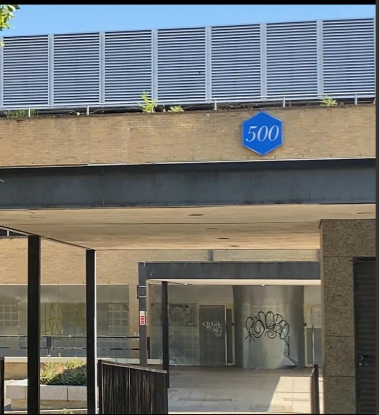
Across Britain, thousands of unused properties – student flats, care homes, office blocks – sit idle. Almost everyone knows an empty property somewhere. Councils from Huddersfield to Cardiff have proposed alternative models, yet leases stall and buildings remain untouched. Millions of pounds have been spent on hotel accommodation while viable spaces gather dust.
Is this logistical inertia? Political avoidance? Or a deeper failure of imagination?
The Fracture Between Communities and Clarity
In boroughs across the country, demonstrations have erupted not from ideology, but exclusion. Local residents feel unheard. Refugees feel unseen. Sudden relocation, poor communication, and minimal consultation have bred suspicion and fear. The absence of public forums is not just administrative – it is corrosive.
When communities are bypassed, they protest. When asylum seekers are isolated, unrest follows. The fracture is not cultural – it is procedural.
Beyond Outrage: Designing Solutions
This moment calls not for further controversy, but for moral courage and structural reform. Most believe a fair and just asylum policy must:
- Re-purpose dormant buildings near infrastructure and services
- Engage host communities transparently and consistently
- Guarantee mental health and legal support for asylum seekers
- Advance mixed-use housing models that foster social cohesion
- Create public platforms for dialogue, planning, and accountability
This crisis does not ask for sides. It demands solutions.
A Voice for All, Not a Verdict Against Some
This article casts no blame. It casts light. It is a platform for clarity, not condemnation. For families fleeing war and persecution, and for residents navigating rapid change, dignity must not depend on postcode or policy. It must be a shared standard.
This is a turning point?

Current government measures reflect an attempt to balance humanitarian obligations with logistical and commercial realities. The use of hotel accommodation, while imperfect, signals a system responding under pressure—not one acting in disregard.
Public concern, particularly around perceived luxury or fairness, often stems from comparative frustration rather than material deprivation. These reactions highlight a need for clearer communication, transparent planning, and inclusive dialogue.
The question remains: can future policy move beyond optics and outrage?
Is it possible to design accommodation strategies that uphold dignity, foster cohesion, and reduce tension across communities?
This article does not assign blame. It invites reflection. It offers a framework not as reaction, but as roadmap – for those seeking clarity, equity, and constructive reform.
Disclaimer
This article reflects publicly available information and commentary as of its publication date. It is presented in good faith for educational and journalistic purposes. It does not imply or make factual allegations against any individual or institution. The views expressed invite further dialogue, clarity, and responsible action across all sectors.

 Daily Sunrise