
DailySunr: International Desk – Special Report

Tensions across the Middle East have escalated significantly. Many analysts now describe this as one of the most dangerous moments in recent years. What began as a series of targeted strikes, retaliatory warnings, and diplomatic breakdowns has turned into a crisis. Families across the region feel it in every breath. They feel it in every night spent awake and every message left unread.
From Tehran to Tel Aviv, from Gaza to the Lebanese border, the atmosphere is thick with uncertainty. Governments speak in measured tones, military units mobilize, and civilians brace for what they fear comes next. The world does not watch with detachment. Instead, there is an uneasy recognition that regional conflict rarely remains regional for long.
A Conflict Years in the Making
The current escalation did not emerge from nowhere. It is the latest chapter in a long and fraught history. This history is marked by mistrust. It is also marked by proxy battles, political fractures, and the lingering wounds of past wars. Recent events have taken place. These events include cross‑border strikes, militia activity, and shifting alliances. They have intensified fears that the situation will tip into a broader confrontation.
International broadcasters have echoed the same sentiment:
BBC describes the region as “volatile and unpredictable.” Sky News warns of “a dangerous moment with global implications.” Al Jazeera highlights the humanitarian toll already unfolding. The Guardian reports on diplomatic efforts struggling to keep pace with events on the ground.

Behind every headline lies a human story, and it is those stories that reveal the true cost of this crisis.
Families Living in the Shadow of Fear
In cities and towns across the region, ordinary people navigate extraordinary fear. Parents put their children to bed with reassurances they barely believe. Hospitals prepare for surges they pray will never come. Schools close, reopen, close again. Shops ration essentials.
Phone lines stay open through the night. For many, the sound of distant explosions is no longer shocking, it is simply part of the landscape.
A mother in southern Lebanon describes her son asking why the sky “sounds angry.” A father in Israel admits he checks the news before he checks the weather. A family in Iran keeps their shoes by the door in case they need to run. These are not political abstractions. They are the daily realities of people caught between decisions made far above them.
Soldiers on the Edge of Uncertainty
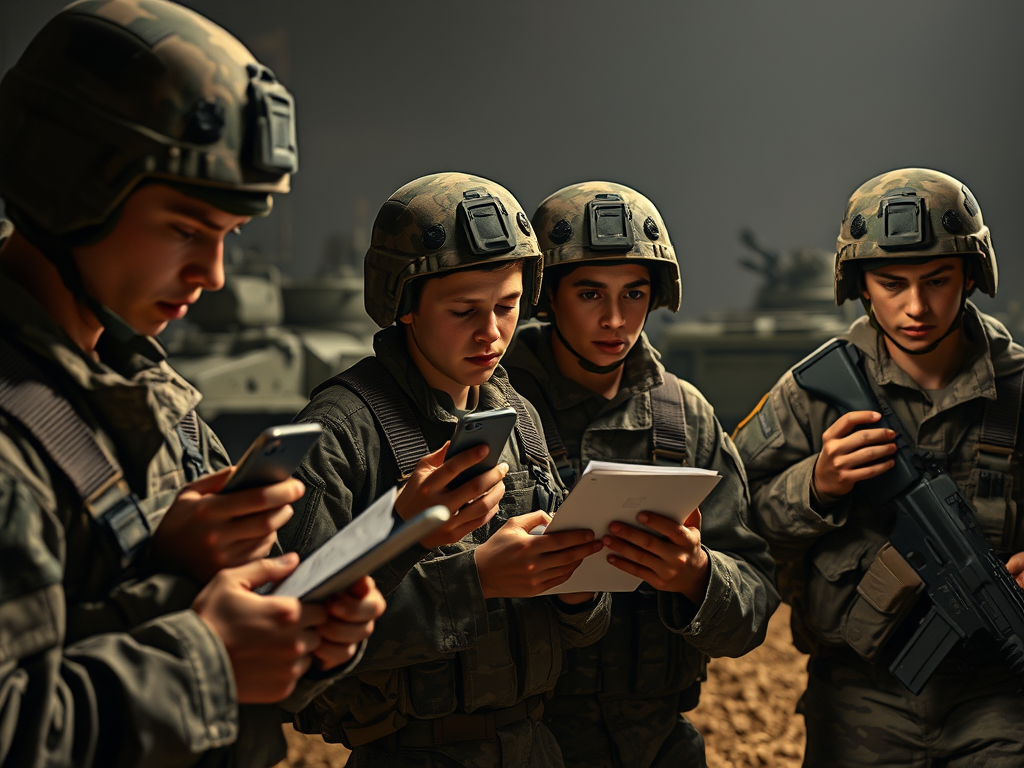
Across the region, young soldiers prepare for deployments that may become more than routine exercises. Some record final messages on their phones. Some fold letters into their pockets. Some say goodbyes that feel heavier than they should. Military analysts warn that even a single miscalculation could ignite a chain reaction. Diplomats continue to negotiate, but the pace of events often outstrips the pace of diplomacy.
A World Holding Its Breath
Global powers have issued statements urging restraint. International organizations warn of humanitarian consequences. Markets react. Borders tighten. Airspace shifts. The world waits. Amid the tension, there is a shared hope. It is fragile but present. Escalation can still be halted. Dialogue can still prevail. The region can step back from the edge.
A Moment That Will Shape the Future
Whether this crisis becomes a turning point toward peace or a descent into wider conflict remains uncertain. What is clear is that the decisions made in the coming days will echo far beyond the region.
For now, families continue to hope. Soldiers continue to prepare. Leaders continue to negotiate. And the world continues to watch, breath held, eyes fixed on a horizon that feels closer than ever.
Follow Dailysunr on TikTok

REGIONAL TENSIONS: WHAT WE KNOW
- Escalation Timeline: Recent strikes and counter‑strikes have intensified long‑standing tensions between Iran, Israel, and regional actors.
- Civilian Impact: Families across the Middle East report rising fear, displacement, and disruption to daily life as uncertainty grows.
- Military Movements: Multiple countries have increased readiness levels, with analysts warning that miscalculation remains a major risk.
- Diplomatic Efforts: International powers continue to call for restraint, though negotiations struggle to keep pace with events on the ground.
- Humanitarian Concerns: Aid agencies warn that further escalation could severely impact access to medical care, food, and safe shelter.
VOICES FROM THE REGION
- Parents preparing children for nights in shelters
- Soldiers facing deployments with uncertain outcomes
- Medics working under increasing pressure
- Civilians monitoring news updates around the clock
WHY IT MATTERS
A broader conflict could reshape regional alliances, global markets, and humanitarian conditions, with consequences far beyond the Middle East.

 Daily Sunrise